Ride In, Breathe Out: Transit-Only Gateways to Canada’s National Parks

Join us as we explore Transit-Only Gateways to Canada’s National Parks, celebrating car-free journeys that begin on bustling platforms and end beside quiet trailheads. Discover flexible itineraries, schedule strategies, personal stories, and considerate practices that turn trains, buses, ferries, and park shuttles into seamless bridges. Share your favorite gateways and subscribe for updates.

Start With No Car: Plans That Flow From Station to Trail

Car-free trips thrive on clarity. Map connections from your doorstep to the park gate, checking seasonal shuttles, reservation windows, and luggage rules long before departure. Build cushions between transfers, screenshot timetables, and subscribe for alerts, ensuring unexpected delays become unhurried pauses rather than trip-derailing surprises in unfamiliar transit hubs.

Rocky Mountain Corridors Without Keys

Steep valleys and glacier-fed lakes sit within reach of passengers, not drivers. Stitch together intercity coaches, regional buses, and dedicated park shuttles to move between towns, lakes, and trailheads. You will trade parking hunts for mountain air, reliable timetables, and ranger advice delivered right beside the bus stop.

Pacific Rim by Coach and Coastal Shuttle

From Nanaimo or Victoria, riders link intercity coaches with local shuttles toward Tofino and Ucluelet, arriving beside surf breaks and storm-viewing platforms. Rain gear, a dry bag, and curiosity open hidden cafes, interpretive walks, and tidepool wonders while operators share safety tips for swells and changing beach conditions.

Gulf Islands Park Reserve, Bus to Dock to Trail

Combine city buses with ferry decks and island shuttles to reach protected coves and arbutus ridges. Purchasing snacks before boarding saves time, while a printed return schedule prevents last-ferry scrambles, leaving afternoons for sea-lion sightings, shoreline stewardship briefings, and unhurried sunsets flickering across calm passages between emerald islets.

Heartland Connections from Big Cities

Rouge National Urban Park by Subway and Bus
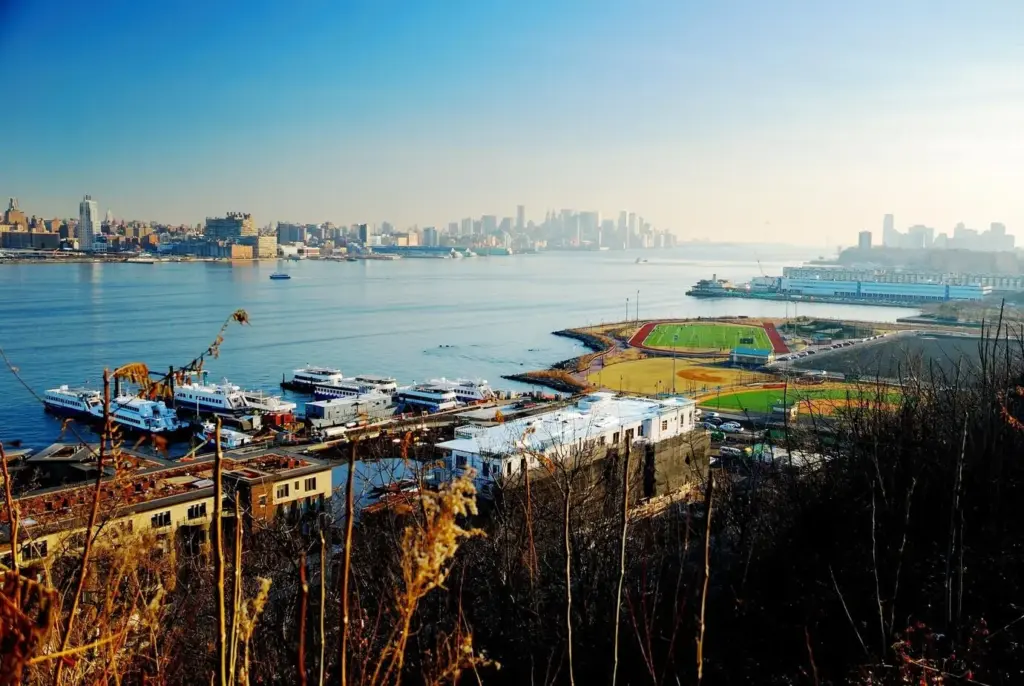
From downtown Toronto, ride subway lines and buses to trailheads where cattails sway beside restored wetlands. Bring a transit day pass and a small picnic to linger at farm fields, historic sites, and accessible boardwalks, then share wildlife observations with fellow riders during the easy, car-free return.

Thousand Islands by Train and Water Taxi
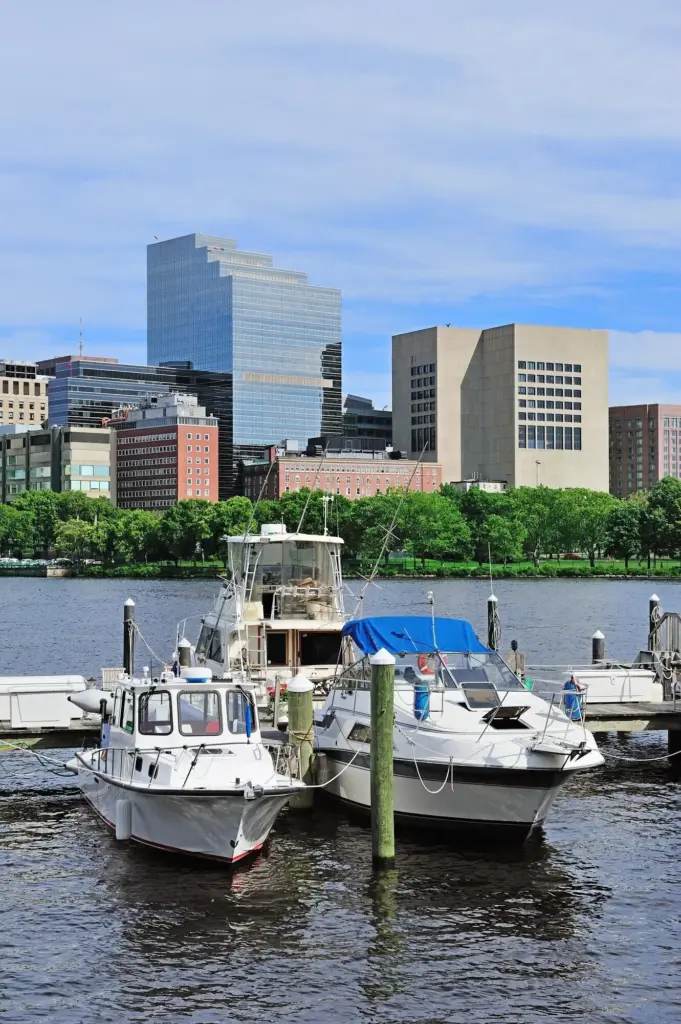
Ride a train toward Gananoque, stroll to a dock, and board a small boat that threads channels between pine-topped isles. Captains provide local lore and safety briefings, while you carry only essentials, freeing your hands for cameras, binoculars, and waves to passing kayakers gliding through sunlight.

Riding Mountain via Prairie Platforms

Reach Dauphin by rail or coach, then connect with local operators into the park’s rolling ridges and clear lakes. Schedule an early arrival to settle in, rent a bike, and greet elk at dusk, embracing unhurried evenings that reward every patient, car-free traveler with luminous prairie skies.

Atlantic Breezes, Quiet Bays, Easy Transfers

Fundy’s Tides with Bus Connections

Arrive via regional coaches to Moncton or Saint John and continue by shuttle or organized transfer toward cliffs where the Bay of Fundy breathes. Tides shape schedules and viewpoints, so confirm timing, carry layers, and linger for moonrise reflections rippling through harbors and salt-scented, lantern-lit coastal streets.

Cape Breton Highlands from Coastal Villages

Reach Cheticamp or Ingonish by coach, then rely on seasonal shuttles or guided vans to viewpoints overlooking the Cabot Trail. Without parking stress, you can savor fiddles in community halls, sample seafood, and follow ranger advice toward quiet coves where seabirds nest on storm-carved ledges.

Kejimkujik’s Woods, Night Skies, and Shuttles

Ride to Bridgewater or Annapolis Royal, then continue with local operators into dark-sky forests alive with owls and constellations. Reserve a return, tuck a headlamp beside binoculars, and greet interpreters who share Mi’kmaw stories, canoe routes, and gentle reminders for respectful, low-impact nights beneath brilliant stars.

Travel That Respects Land, People, and Climate

Car-free journeys reduce emissions and invite deeper listening. Transit pauses become chances to learn from Indigenous hosts, rangers, and drivers. Ask permission, heed signage, and support local businesses, shaping a travel culture where curiosity, humility, and safety co-create unforgettable memories along trails, lakeshores, and village streets.
Tixuvexititerefi
Privacy Overview

This website uses cookies so that we can provide you with the best user experience possible. Cookie information is stored in your browser and performs functions such as recognising you when you return to our website and helping our team to understand which sections of the website you find most interesting and useful.